

The financial markets constantly evolve and as traders, we need to evolve with them.
With technology rapidly advancing (hello AI) and market dynamics changing every day, what worked a year ago could very well fall flat now.
Successful traders adapt while preserving core principles that stand the test of time.
This guide breaks down which futures trading strategies have proven to perform and which no longer provide reliable returns.
5 Futures Trading Strategies That Still Work in 2025
1. Volume Profile Trading Strategy
Volume Profile analysis remains one of the most powerful futures trading strategies for beginners because it tracks actual market participation rather than lagging indicators. This approach maps trading volumes at specific price levels, showing where significant buying and selling pressure exists.
Why it still works:
-
Market structures still form around key volume nodes
-
Identifies fair value areas where markets naturally gravitate
-
Reveals price levels where institutional money remains active
Volume Profile works especially well with futures contracts like the E-mini S&P 500 and crude oil, where institutional participation creates clear volume patterns. The strategy helps identify value areas where price tends to revert after extending too far in either direction.
Implementation tips:
-
Focus on the highest volume nodes (POC - Point of Control)
-
Watch for price rejection at Value Area High/Low boundaries
-
Use multiple time frame analysis (daily, weekly profiles)
-
Combine with order flow analysis for confirmation
A typical setup involves waiting for price to move away from a high-volume node and then return to it, providing both an entry point and a clear invalidation level if the node fails to hold.
2. Market Internals-Based Trading
While flashier algorithms come and go, trading based on market internals (breadth indicators, tick readings, and VWAP relationships) continues to provide an edge for futures traders.
Why it still work:
-
Measures actual market health beyond price action
-
Catches divergences before they appear on price charts
-
Remains difficult to manipulate even as markets evolve
The NYSE TICK, Advance-Decline lines, and cumulative delta still provide reliable signals when properly interpreted. These metrics show the market's underlying strength or weakness, often before price confirms the direction.
Implementation tips:
-
Track multiple internals simultaneously for confirmation
-
Look for extreme readings (overbought/oversold) for mean reversion plays
-
Monitor divergences between internals and price
-
Use sector rotation metrics to confirm broader market moves
Many successful traders use market internals as their primary decision-making framework, particularly during volatile periods when price action alone becomes unreliable.
Sign up to get the latest articles in your inbox
3. Auction Market Theory
Market Profile and Auction Market Theory concepts developed by Peter Steidlmayer continue to work effectively for futures trading. This approach views markets as an auction process seeking fair value through price exploration.
Why it still works:
-
Markets still function as auctions with buyers and sellers
-
Price continues to move between balanced and imbalanced states
-
Initiative and responsive activity patterns remain consistent
Implementation tips:
-
Identify Initial Balance ranges during the first hour of trading
-
Watch for failed auctions and price rejection at extremes
-
Focus on rotational versus trending behavior within timeframes
-
Recognize when the market has accepted or rejected a price level
This method excels when trading liquid futures markets with clear session boundaries, such as Treasury futures or equity index futures. The structured approach helps traders stay objective and recognize the current market context.

4. Relative Value Trading
Comparing related instruments to identify price disparities remains one of the most reliable strategic trading approaches, particularly for futures markets where related contracts often move in predictable relationships.
Why it still works:
-
Mathematical relationships between related markets persist
-
Mean reversion occurs reliably in correlated instruments
-
Provides natural risk management through spread positions
Implementation tips:
-
Monitor spreads between related futures contracts (e.g., WTI/Brent crude)
-
Trade calendar spreads (same contract, different expirations)
-
Watch correlations between futures and their underlying cash markets
-
Look for statistical extremes in historical relationships
This approach works especially well with grain futures, energy markets, and interest rate products where supply/demand fundamentals create predictable seasonal patterns and relationships.
5. Momentum Breakout Trading with Volume Confirmation
While pure momentum trading has become more challenging, breakout strategies that incorporate volume analysis continue to perform well, especially during periods of genuine market volatility.
Why it still works:
-
Markets still trend, particularly during fundamental shifts
-
Volume confirmation filters out false breakouts
-
Works across multiple timeframes and market conditions
Implementation tips:
-
Wait for consolidation periods to develop clear boundaries
-
Confirm breakouts with above-average volume
-
Use multiple timeframe confirmation
-
Set profit targets at previous support/resistance levels
Successful implementation requires well-defined trading rules that specify exact entry conditions, stop-loss levels, and profit targets. This strategy remains particularly effective during economic data releases, central bank announcements, and other catalysts that genuinely shift market sentiment and create sustainable directional moves.
2 Trading Strategies That No Longer Work in 2025
1. Simple Indicator-Based Systems
Trading systems built entirely around standard technical indicators like RSI, MACD, or Stochastics have largely lost their edge. These approaches worked when fewer traders had access to the same information, but now suffer from widespread adoption.
Why it fails now:
-
Algorithms exploit known indicator parameters
-
Standard settings create predictable entry/exit points
-
Little edge remains in information available to everyone
-
Too many false signals in faster-moving markets
Many beginner traders still gravitate toward these systems because they seem straightforward, but the markets have evolved beyond simple indicator-based trading. The prevalence of algorithmic trading means these signals get exploited before retail traders can react.
Better alternative: Focus on market structure, order flow, and volume analysis rather than lagging indicators. If using indicators, customize settings and combine multiple confirmation factors rather than relying on standard configurations.
2. News Scalping Without Specialized Tools
Attempting to manually trade breaking news events has become virtually impossible for individual traders without sophisticated technology. The practice of watching for news releases and quickly entering positions based on headlines no longer provides an edge.
Why it fails now:
-
Institutional algorithms parse news in microseconds
-
Markets price in information faster than humans can react
-
Order book dynamics change instantly after releases
-
Spreads widen dramatically during news events
Better alternative: Either trade ahead of known events based on probability and risk management, or wait for markets to digest news and form new trading ranges before entering positions. Developing a fundamental understanding of how specific types of news affect your markets can provide context for post-news trading opportunities.
How to Develop Your Best Trading Strategy
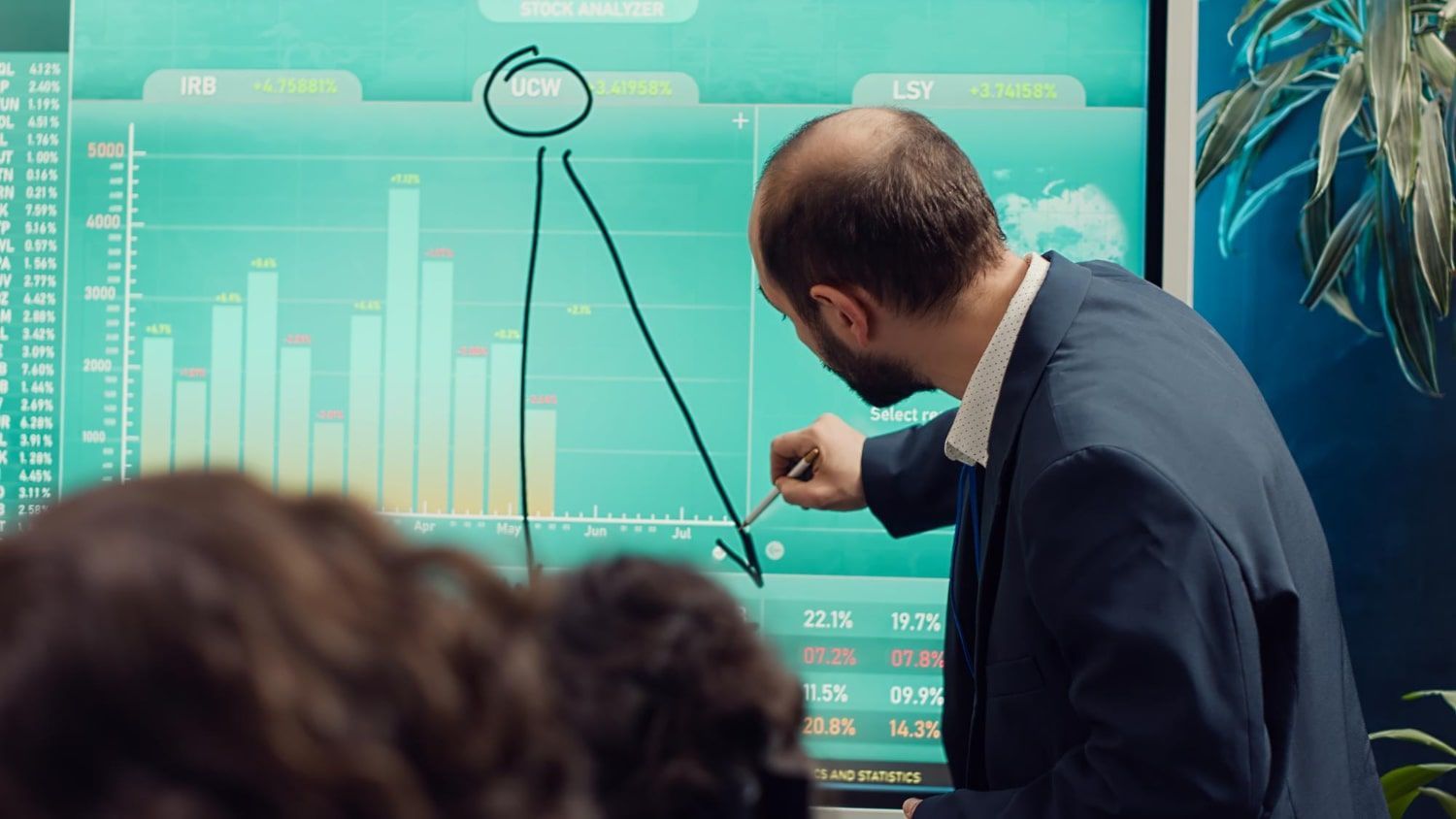
Finding your optimal approach to futures trading requires experimentation within a controlled risk environment. Programs like those offered by MyFundedFutures provide an excellent opportunity to refine strategies for day trading without risking substantial personal capital.
The most effective traders typically:
- 1.
Master one approach before adding others
Focus on a single strategy until you can execute it flawlessly before adding complexity. - 2.
Trade the right timeframe for your personality
Some traders excel at scalping while others perform better with position trading---know your strengths. - 3.
Maintain detailed trading journals
Document not just trades but market conditions, emotions, and thought processes. - 4.
Test strategies in simulation before live trading
MyFundedFutures' evaluation programs provide ideal environments to validate the approach. - 5.
Adapt core principles rather than constantly changing strategies
Evolution beats revolution when refining trading methods.
Remember that the best trading strategy fits your specific personality, risk tolerance, available time, and market knowledge. What works brilliantly for one trader might perform poorly for another based on these personal factors.
Ready to dive in?
Explore our challenge accounts, pick the one that fits you best, and start your journey to getting funded.
Explore AccountsKey Considerations for Futures Traders in 2025
Current futures markets reward traders who understand market microstructure and liquidity patterns. When developing your approach, consider these factors:
-
Execution quality matters more than ever
Even great strategies fail with poor execution---focus on managing slippage. -
Risk management trumps entry techniques
Position sizing and stop placement determine long-term profitability more than entry signals. -
Adaptation beats optimization
Flexible strategies that work across market conditions outperform highly optimized systems. -
Focus on process over outcomes
Random results can reward poor trading---judge yourself on process adherence. -
Context awareness prevents system failure
Know when market conditions have changed enough to temporarily sideline your strategy.
Getting Started with Proven Strategies
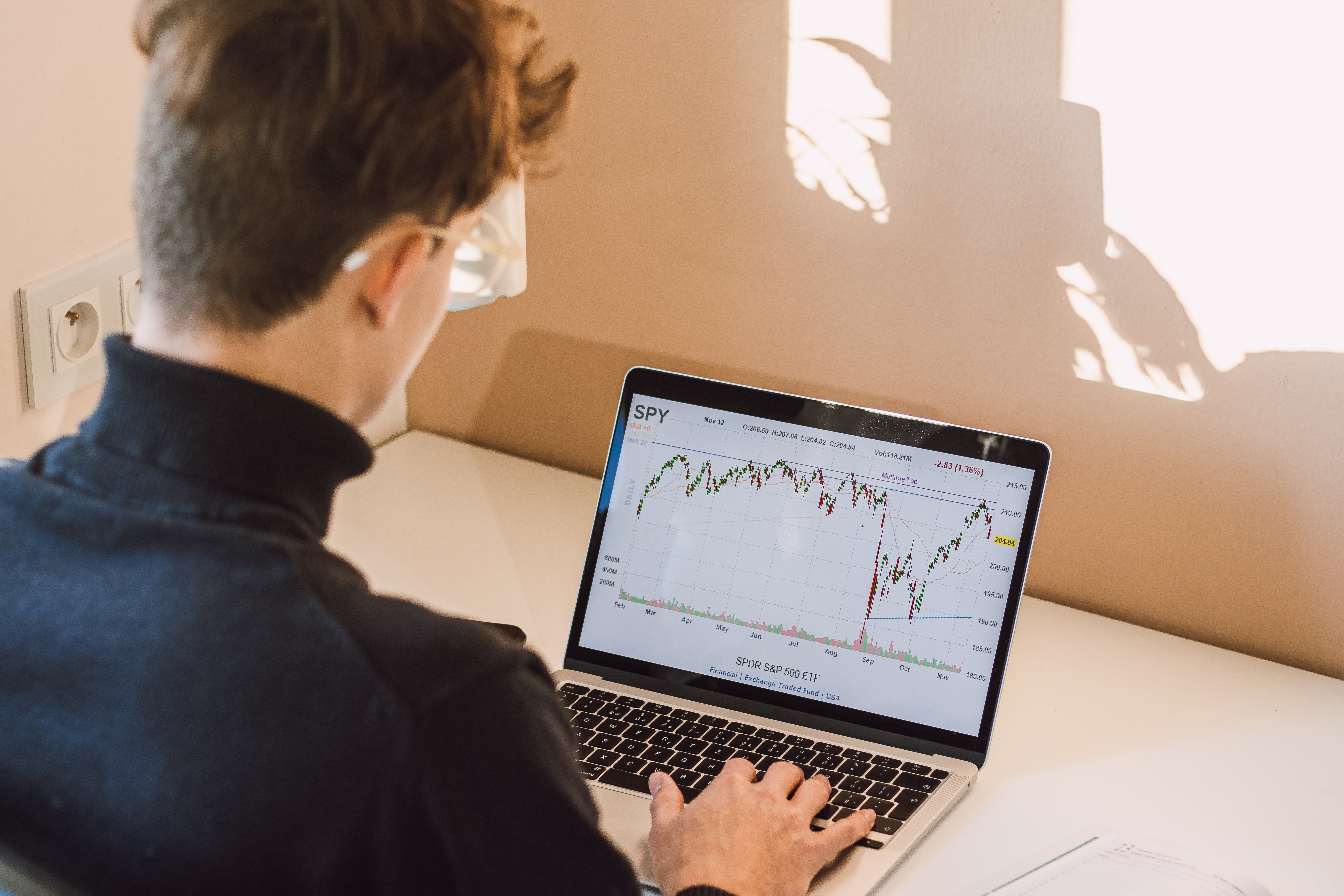
For beginning futures traders looking to implement these working strategies, MyFundedFutures offers several advantages. The company's Starter accounts allow traders to test approaches with limited risk while potentially earning real profits. The structured evaluation process encourages disciplined trading, a prerequisite for successfully implementing any strategy.
The Evaluation-To-Live program particularly suits beginners by providing a gradual path to increased capital and contract allowances as you demonstrate consistent results. This scaling approach matches the natural progression of strategic development, allowing your position sizing to grow alongside your skill.
Winning the Futures Game in a Changing Market
The fundamentals of successful futures trading remain consistent even as markets evolve. Volume analysis, market structure recognition, auction theory, and relative value relationships continue to provide edges for prepared traders. Meanwhile, simplistic indicator-based approaches and manual news trading have largely lost effectiveness.
The most successful traders of 2025 combine proven principles with adaptability. They recognize that while markets change, the core dynamics of supply, demand, and human psychology persist. By focusing on these fundamentals rather than chasing the latest trading fads, they maintain consistent performance across changing market conditions.
For beginners starting their futures trading journey, a well-structured evaluation trading program like those offered by MyFundedFutures provides both the safety and feedback necessary to develop lasting skills. By focusing on proven futures trading strategies for beginners while avoiding outdated approaches, new traders can significantly shorten their learning curve and build sustainable trading careers.
Remember that successful trading requires continuous adaptation. The strategies that work today might need refinement tomorrow, but the underlying principles of market structure, liquidity, and buyer/seller dynamics will remain your most reliable guides.
¹This material is provided for educational purposes only and should not be relied upon as trading, investment, tax, or legal advice. All participation in MyFundedFutures (MFFU) programs is conducted in a simulated environment only; no actual futures trading takes place. Performance in simulated accounts is not indicative of future results, and there is no guarantee of profits or success. Fewer than 1% of participants progress to a live-capital stage with an affiliated proprietary trading firm. Participation is at all times subject to the Simulated Trader Agreement and program rules.
Frequently Asked Questions
Related Posts
Read our most popular posts

Prop Firms With Static Drawdown in 2026: The Best Fixed-Risk Plans
Compare the best futures prop firms with static drawdown in 2026, including drawdown rules, account sizes, profit splits and payouts before you choose.

Fastest Prop Firm Payouts in 2026: Which Firms Pay Same Day?
Compare the fastest futures prop firm payouts in 2026, including eligibility rules, processing times, withdrawal limits, buffers and payout flexibility.

Announcing: MyFundedPerps
MyFunded announces MyFundedPerps, a new prop-trading platform expanding into perpetual futures and digital assets. Built on the foundation of MyFundedFutures with enhanced technology, it offers traders access to multiple markets and asset classes.